Mental maths
Number facts and rapid calculation become the tools needed to create a surprising result.
 Workshops for SchoolsHelping to make learning fun
Principally Key Stage 2
Use the irresistible question “How did that work?” to explore number, patterns, reasoning and mathematical confidence.
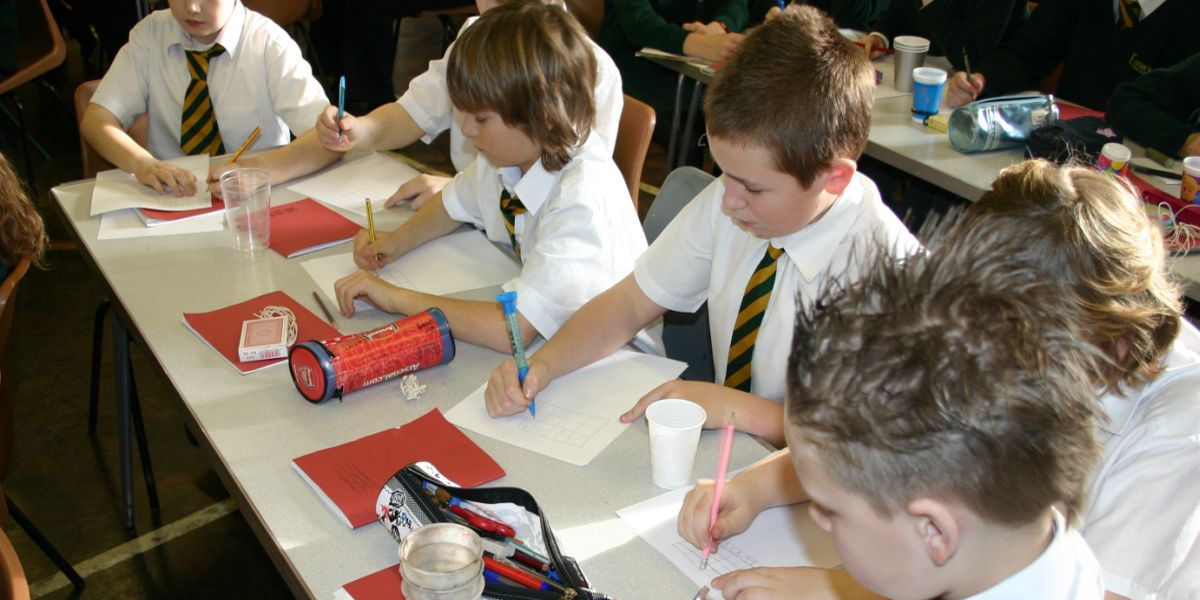
The thinking behind the trick
Everyone wants to know how a magic trick works. In this workshop, each apparently impossible effect has been selected because its secret depends on mathematics.
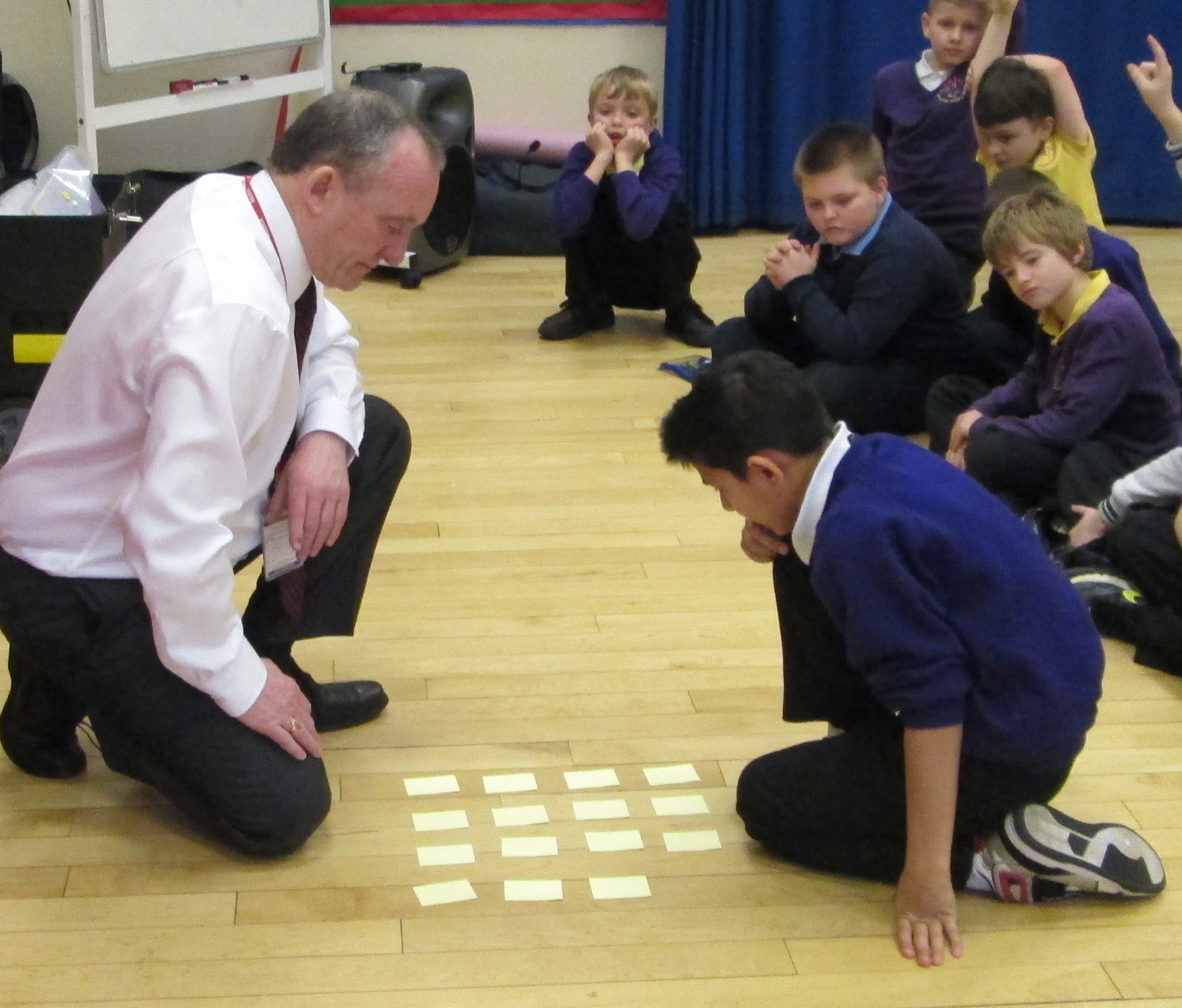
Ron first demonstrates an effect and challenges the children to suggest explanations. The method is then explored step by step before pupils test it for themselves and practise presenting it to others.
Numbers, cards, dice, memory and patterns provide an enjoyable route into mental calculation, reasoning, concentration and clear communication. Children who do not usually regard maths as a favourite subject are often among the most enthusiastic participants.
Suitable for: Principally KS2. Sessions can be adapted for different year groups, while a shorter magical number presentation can sometimes involve younger children.
Maths with a purpose
Number facts and rapid calculation become the tools needed to create a surprising result.
Children look for patterns, test ideas and reason backwards from an apparently impossible outcome.
Following a sequence accurately develops attention, memory and the habit of checking each step.
Mastering and presenting an effect gives pupils a satisfying opportunity to explain and amaze.
How a session works
Sessions normally last about sixty minutes and can be repeated for different classes during the day.
Watch
Ron demonstrates a mathematical mystery designed to provoke curiosity and careful observation.
Think
Children discuss what they noticed, identify useful information and propose ways the result might have been produced.
Understand
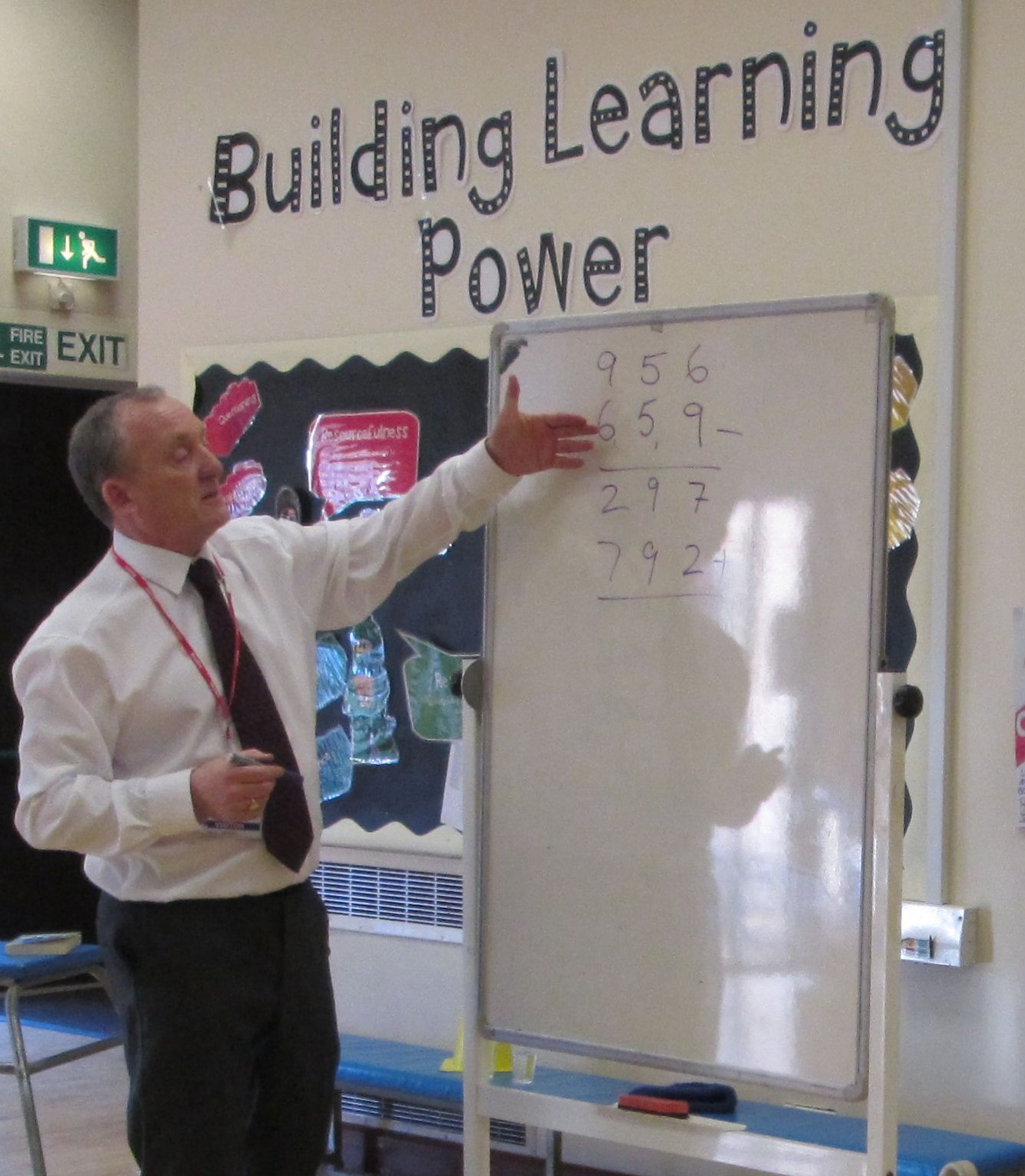
The numerical pattern or principle is explained clearly and demonstrated again so that every step makes sense.
Try
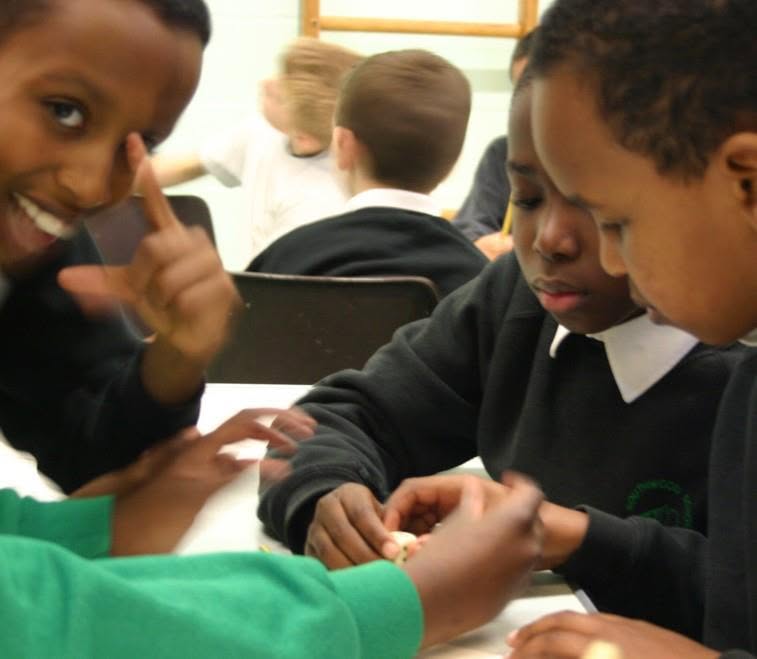
Pupils practise the method, check that it works and develop the confidence to demonstrate it themselves.
More than calculation
The excitement of the effect gives children a reason to persevere. To reproduce it successfully, they must listen, calculate, notice structure, follow a process and communicate with an audience.
The workshop works particularly well during Maths Week, as a reward day or as something different to refresh pupils’ enthusiasm for number.
Magic Maths in action

Skills developed
What teachers say
Thank you, Ron, for showing my Year 5 class that maths can be fun, enjoyable and useful. The children really enjoyed it.
My Year 3 class were very excited and could not wait to try the magic tricks at home. A very engaging and enjoyable workshop.
The children were fascinated by the number tricks and became really engaged and enthusiastic about maths. Ron had a lovely manner which encouraged everyone to have a go.
Frequently asked questions
The full workshop is principally designed for KS2 and can be adjusted to suit different ages and levels of confidence. A shorter performance can sometimes include KS1.
A normal session lasts approximately sixty minutes. Timings can be shortened or extended depending on the number of groups and the school day.
One class at a time is ideal, although two classes can work together. Larger groups may be possible where the timetable requires it.
Yes. A classroom is suitable, while a hall works well for larger combined groups.
We normally require a whiteboard, tables, chairs and ordinary writing materials. Full requirements are supplied before the visit.
Prices depend on your location, group size and required timetable. Send your postcode, preferred date and pupil numbers for a clear quotation including travel.
Add some magic to mathematics
Include your school name, postcode, preferred date, year groups and approximate number of children.