
A Roman military centre
From invasion to fortress
Following the Roman invasion of Britain in AD 43, the army gradually extended and consolidated its control. Four legions took part in the original invasion, supported by large numbers of auxiliary troops.
In AD 71, the Ninth Legion—Legio IX Hispana—moved north from Lincoln and established a new legionary fortress at York. The location close to the rivers Ouse and Foss provided useful river transport for troops, equipment and supplies, while placing the army near the heartlands of the powerful Brigantes.
The fortress occupied approximately 50 acres and was designed to accommodate a legion of around 5,000 men. A civilian settlement developed and Eboracum grew into one of the most important cities in Roman Britain.
Look closely: Much of Roman York remains beneath the modern city. Archaeologists use buildings, inscriptions and objects to reconstruct its story.
Beneath modern York
The Roman Bath
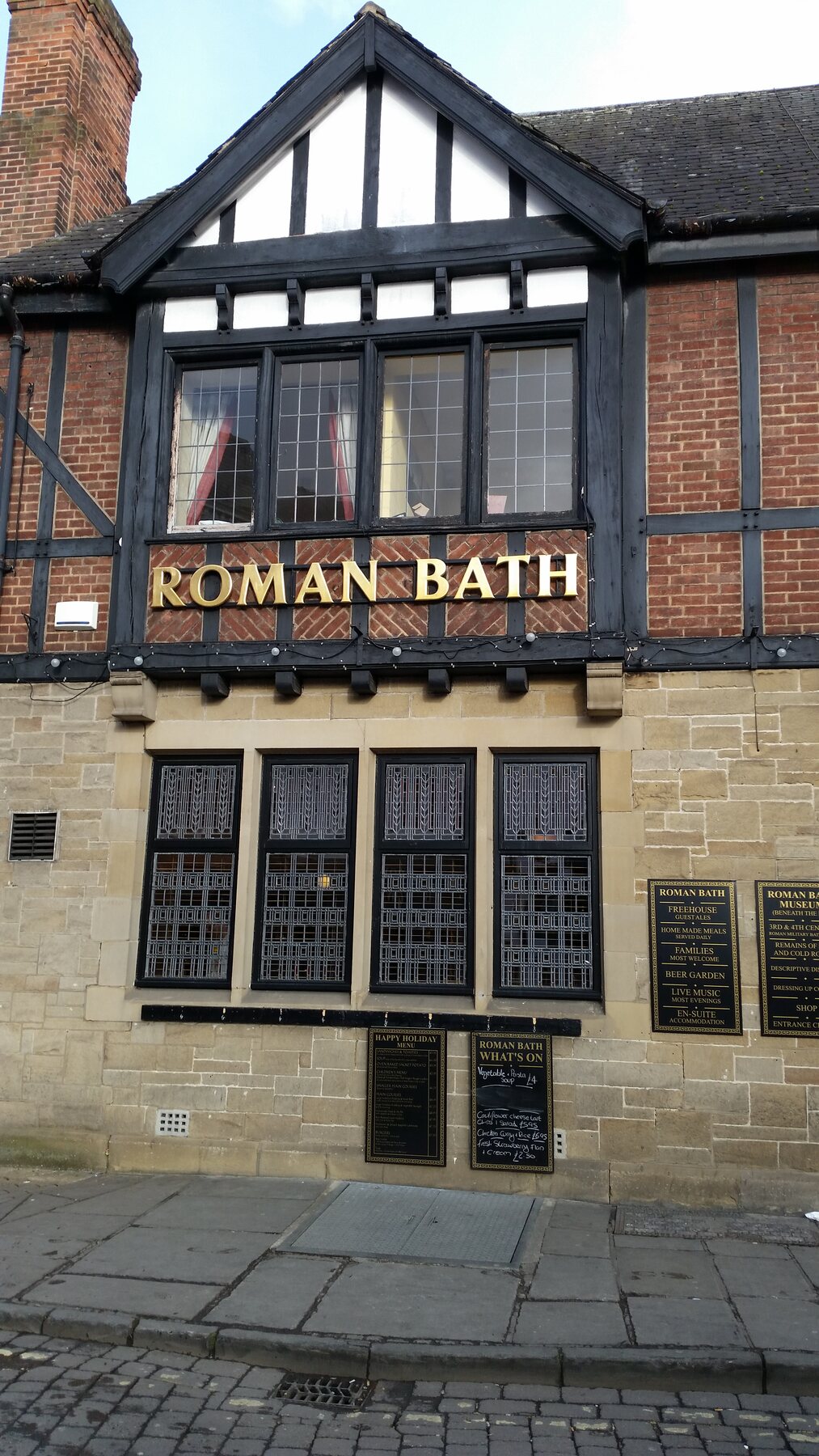
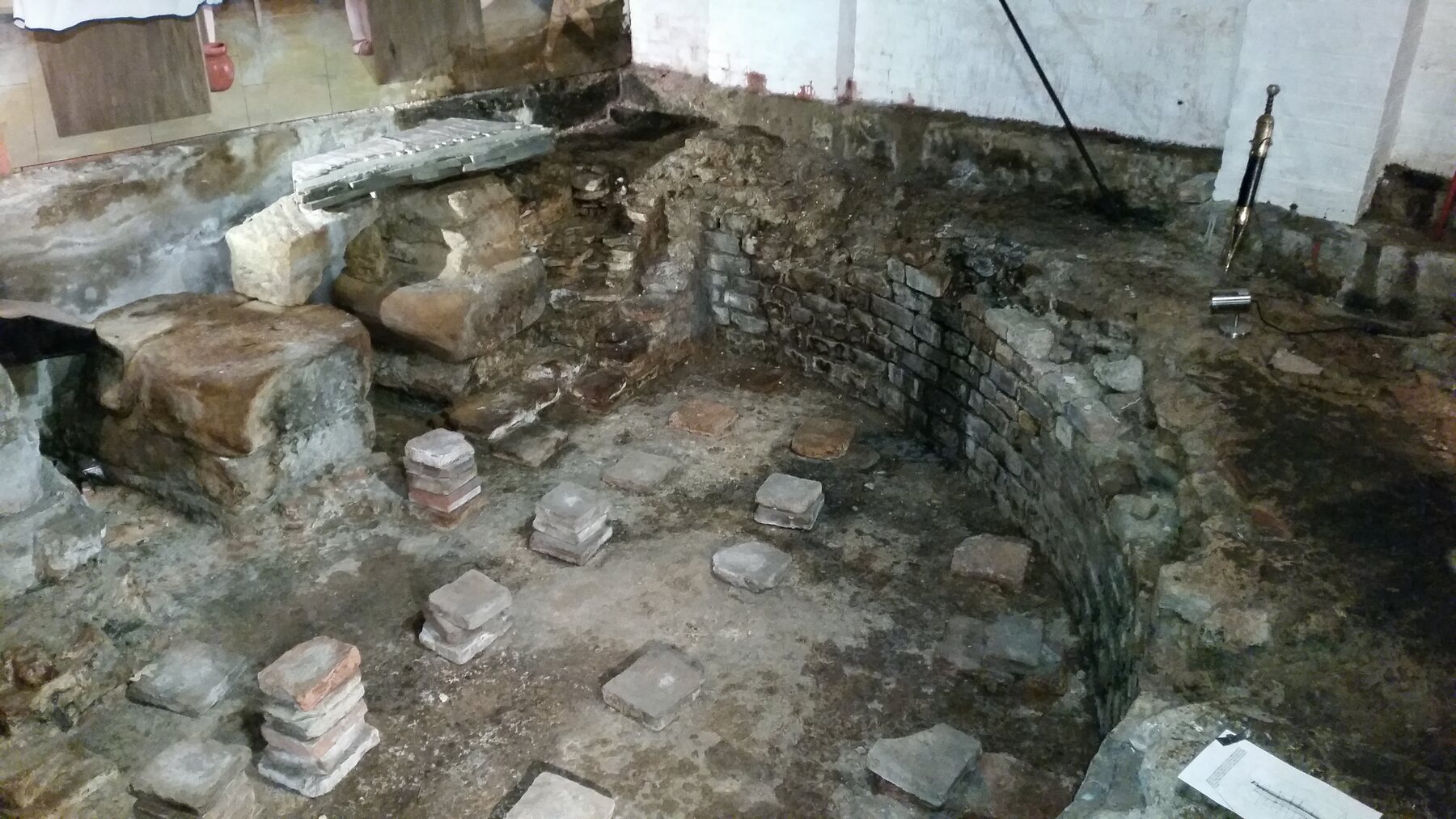
The Roman Bath public house in St Sampson’s Square preserves part of a Roman bathhouse beneath the modern building. The remains were uncovered during building work in 1930–31.
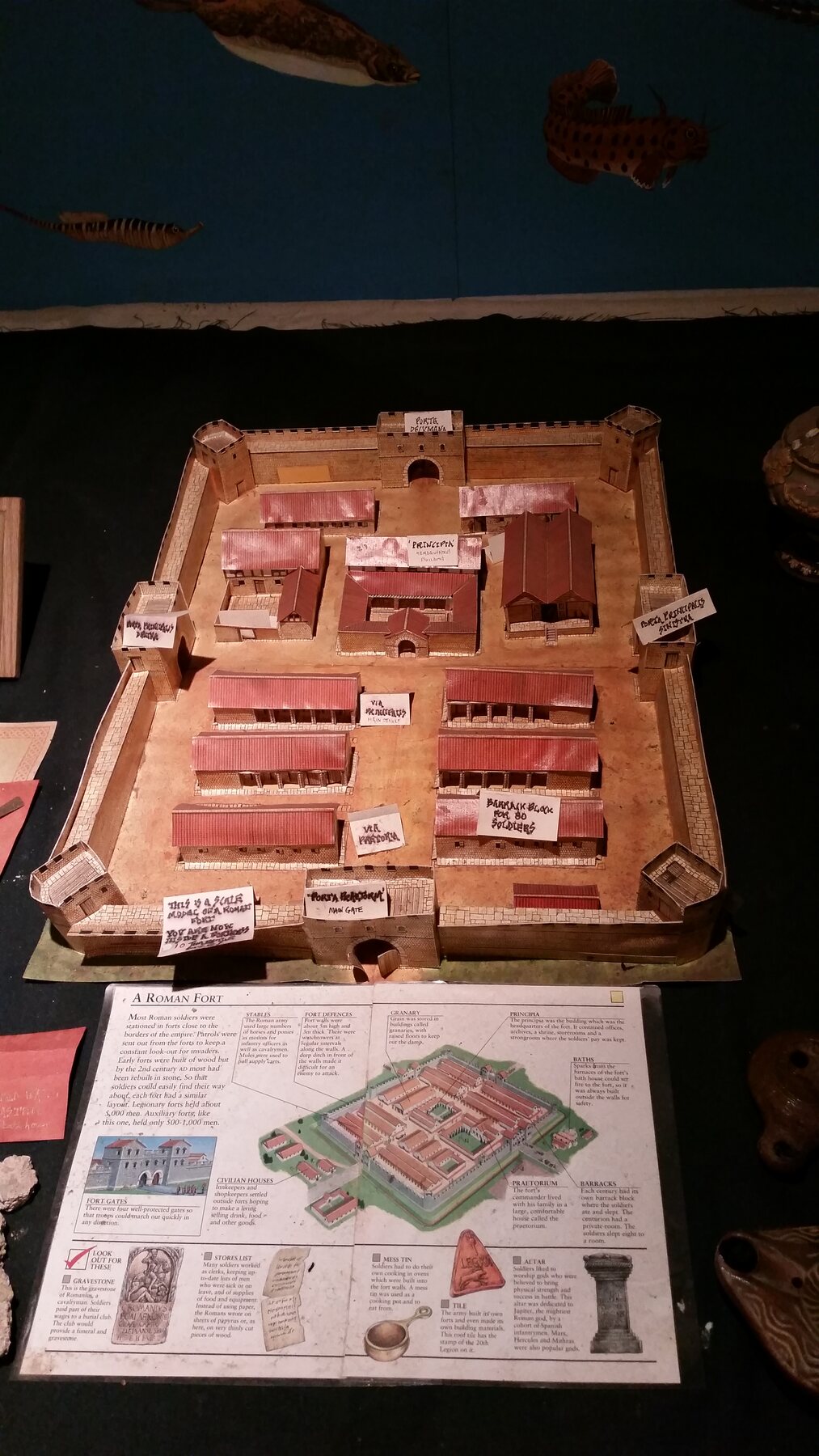
Visitors can see parts of the hot and cold rooms together with the remains of the hypocaust, which circulated hot air beneath the floor. A model helps explain the layout of the legionary fortress and the position of its principal buildings.
People of the Roman Army
Lucius Duccius Rufinus
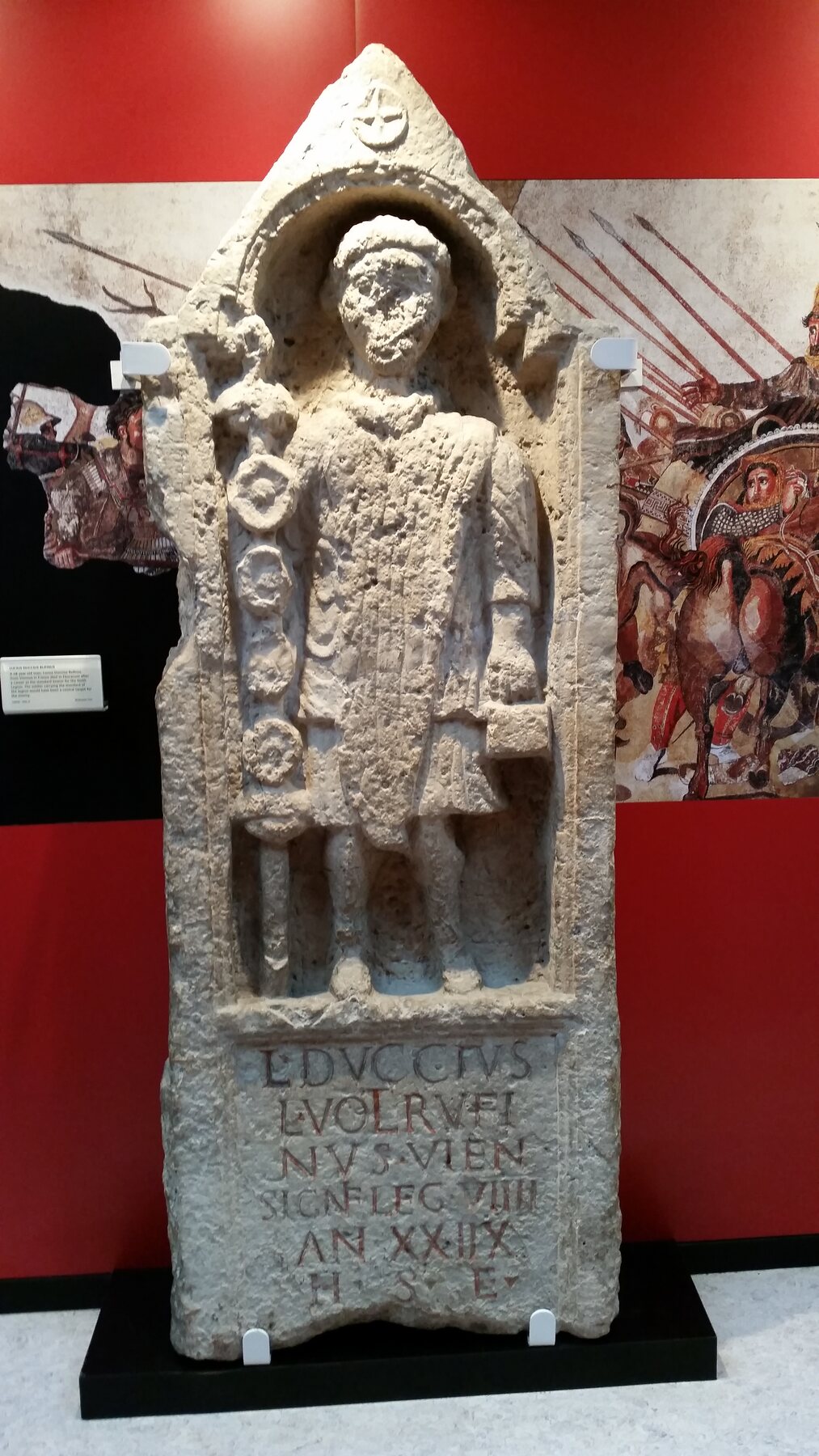
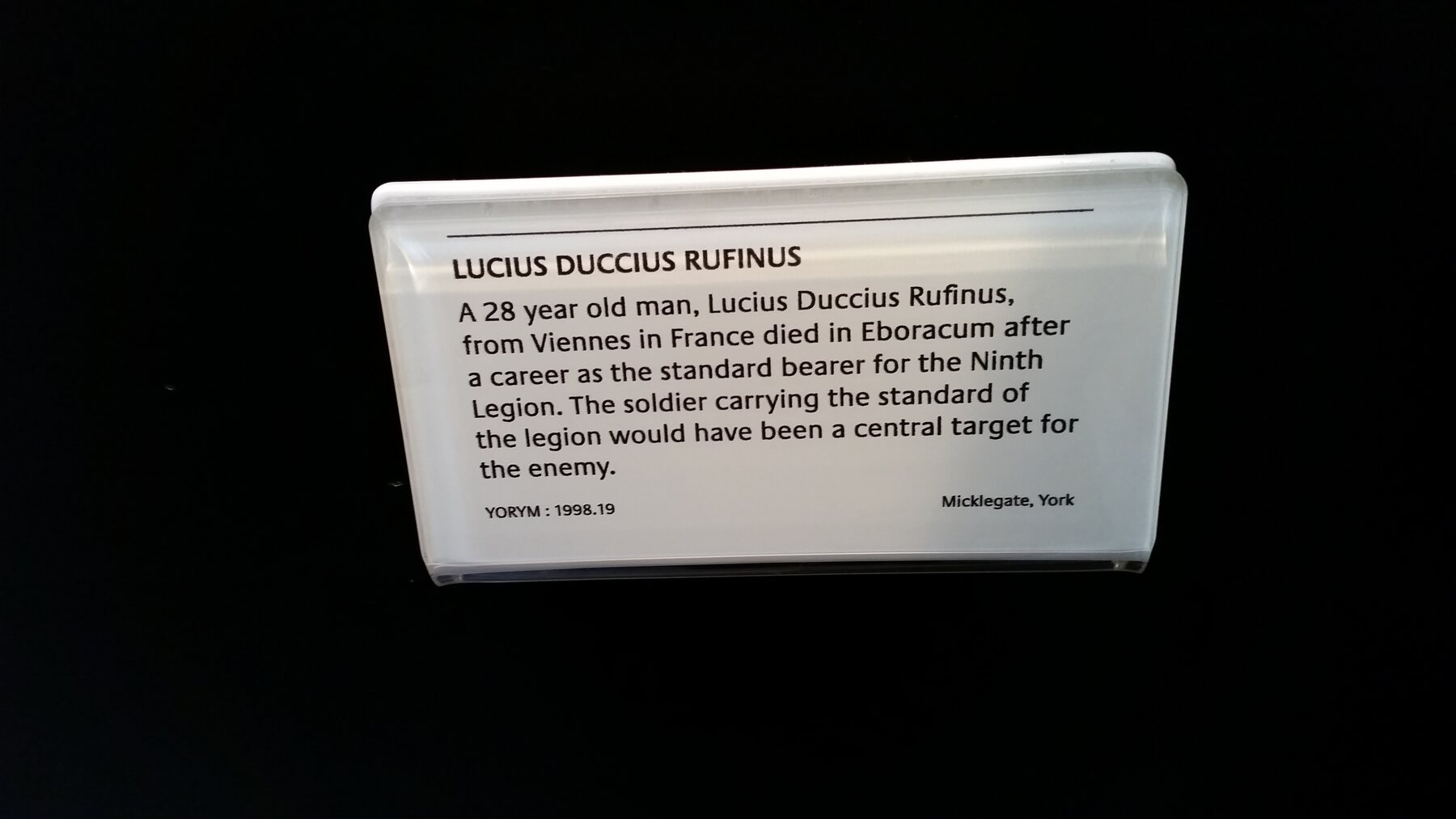
The Yorkshire Museum holds the tombstone of Lucius Duccius Rufinus, a soldier of the Ninth Legion. Lucius was a signifer, or standard-bearer—an important and dangerous position because the standard represented the identity and honour of the unit.
The inscription records that Lucius came from Vienne, in what is now France. One monument therefore tells us his name, his role and his place of origin, demonstrating how the Roman army brought people from across the Empire to Britain.
Roman military technology
Artillery and warfare
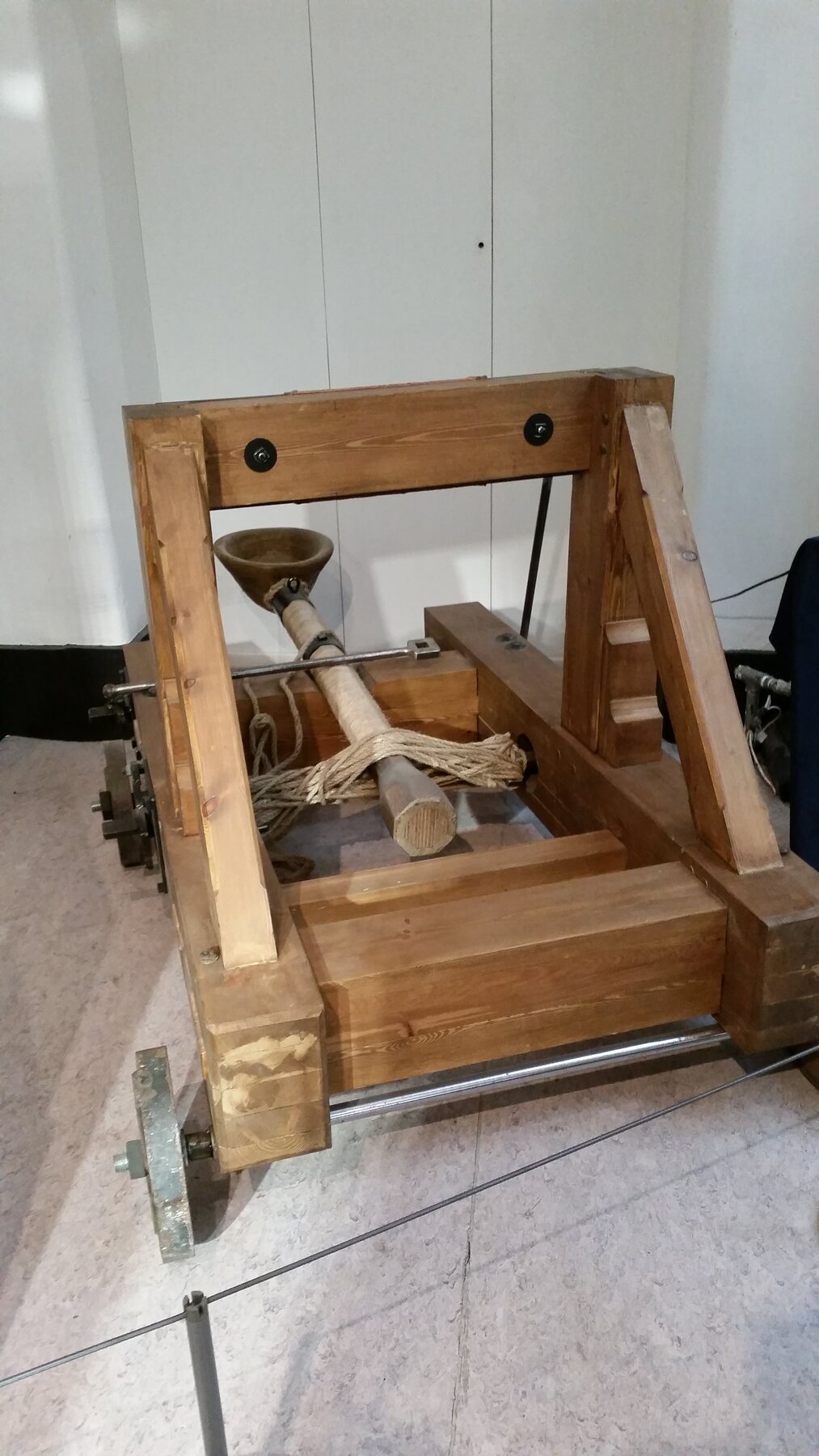
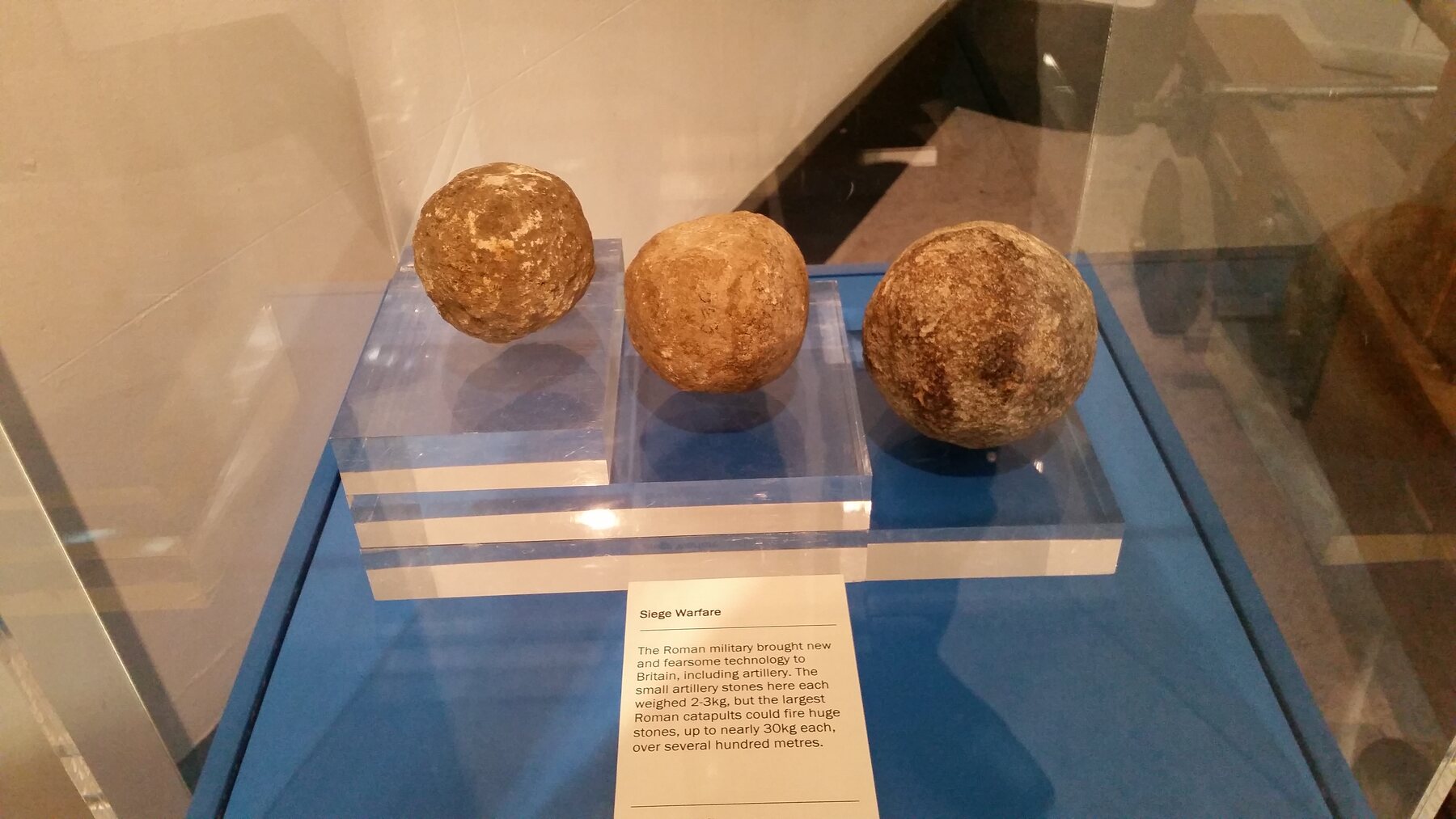
The Yorkshire Museum displays a reconstructed Roman stone-throwing artillery engine together with stone projectiles recovered by archaeologists.
Different machines could fire heavy stones, large bolts and other missiles over considerable distances. Artillery could support siege operations and suitable machines could also be used against troops in the field. A bombardment before close fighting began must have been terrifying.
The Yorkshire Museum
What objects can tell us
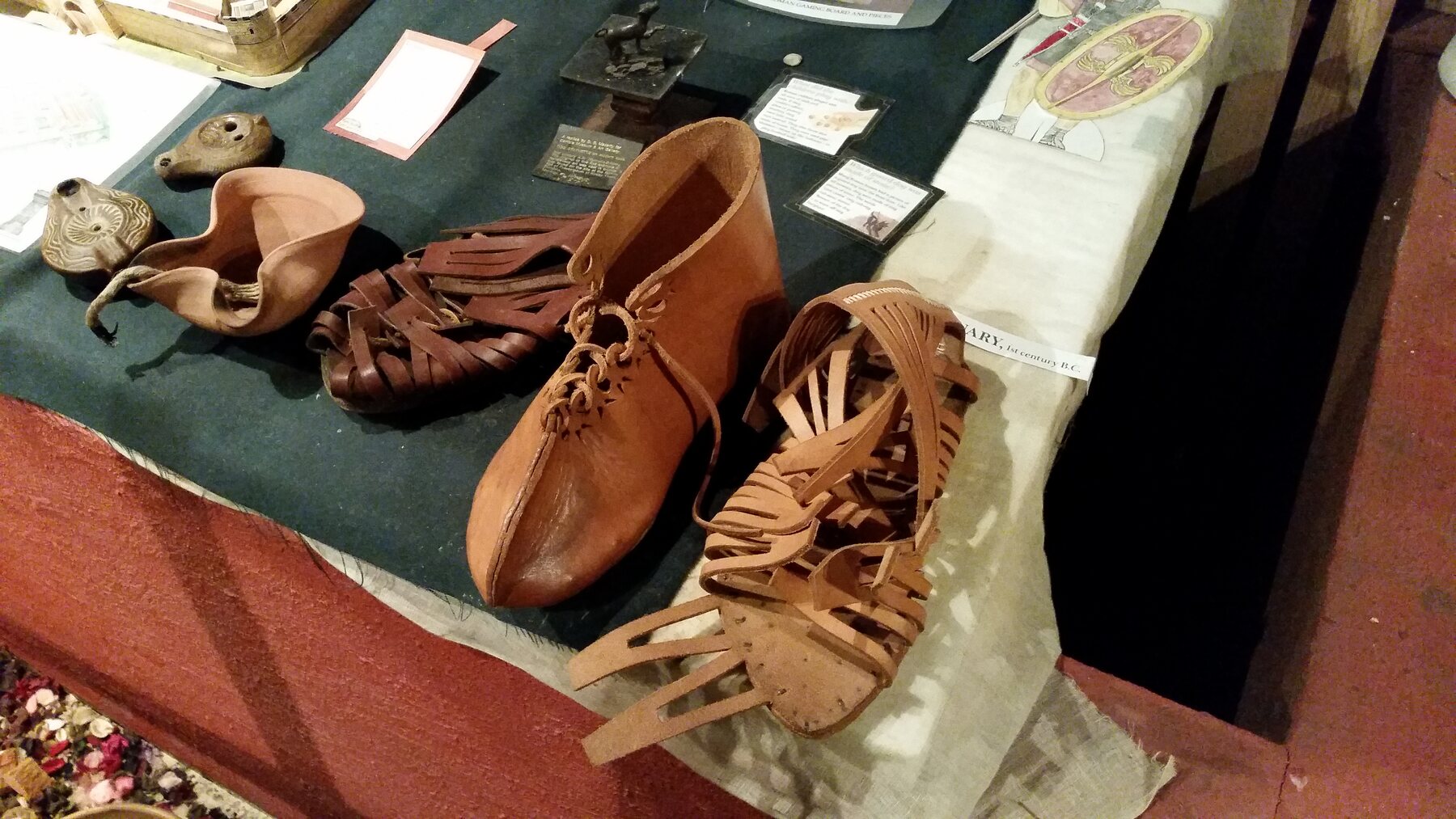
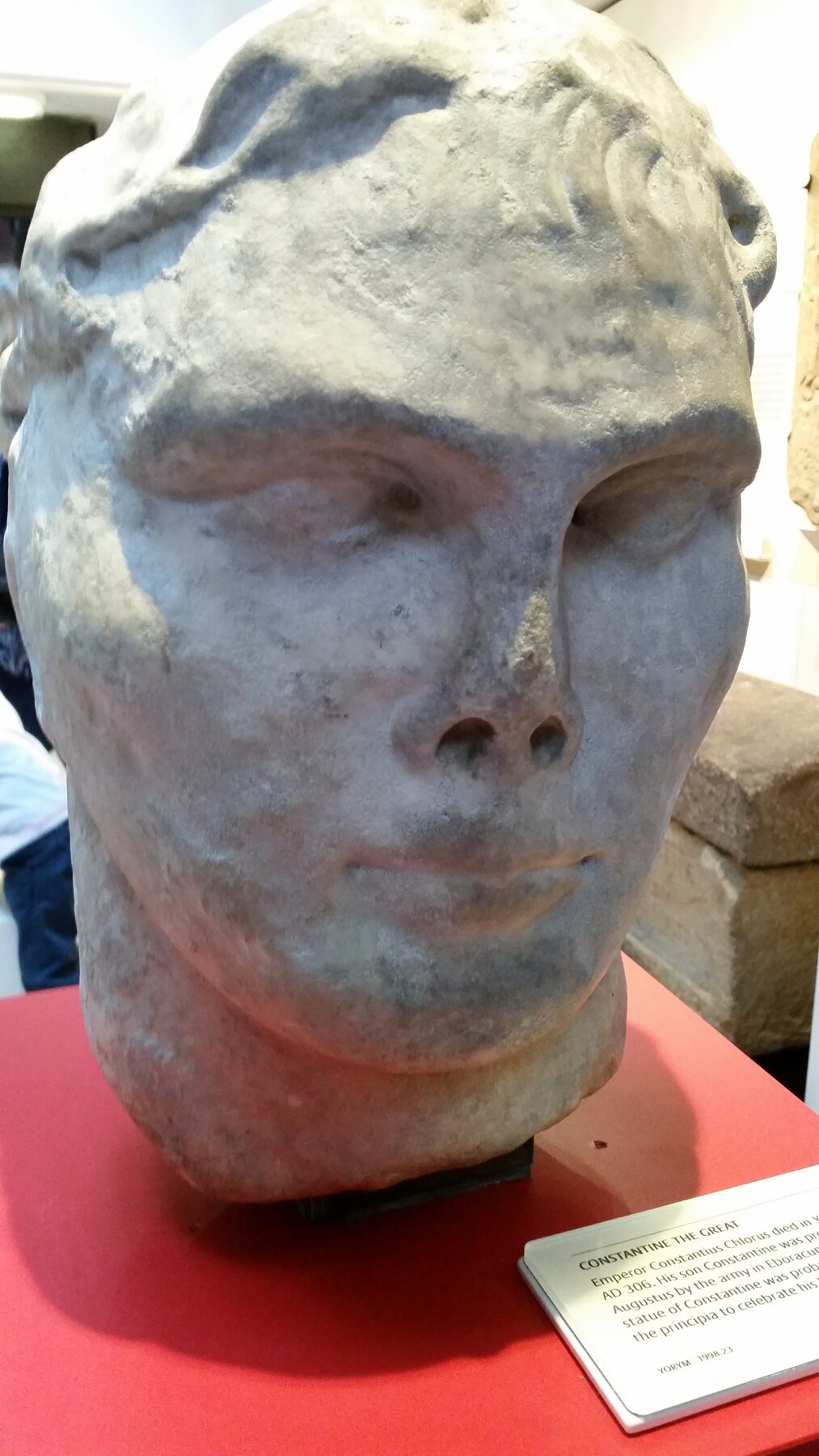
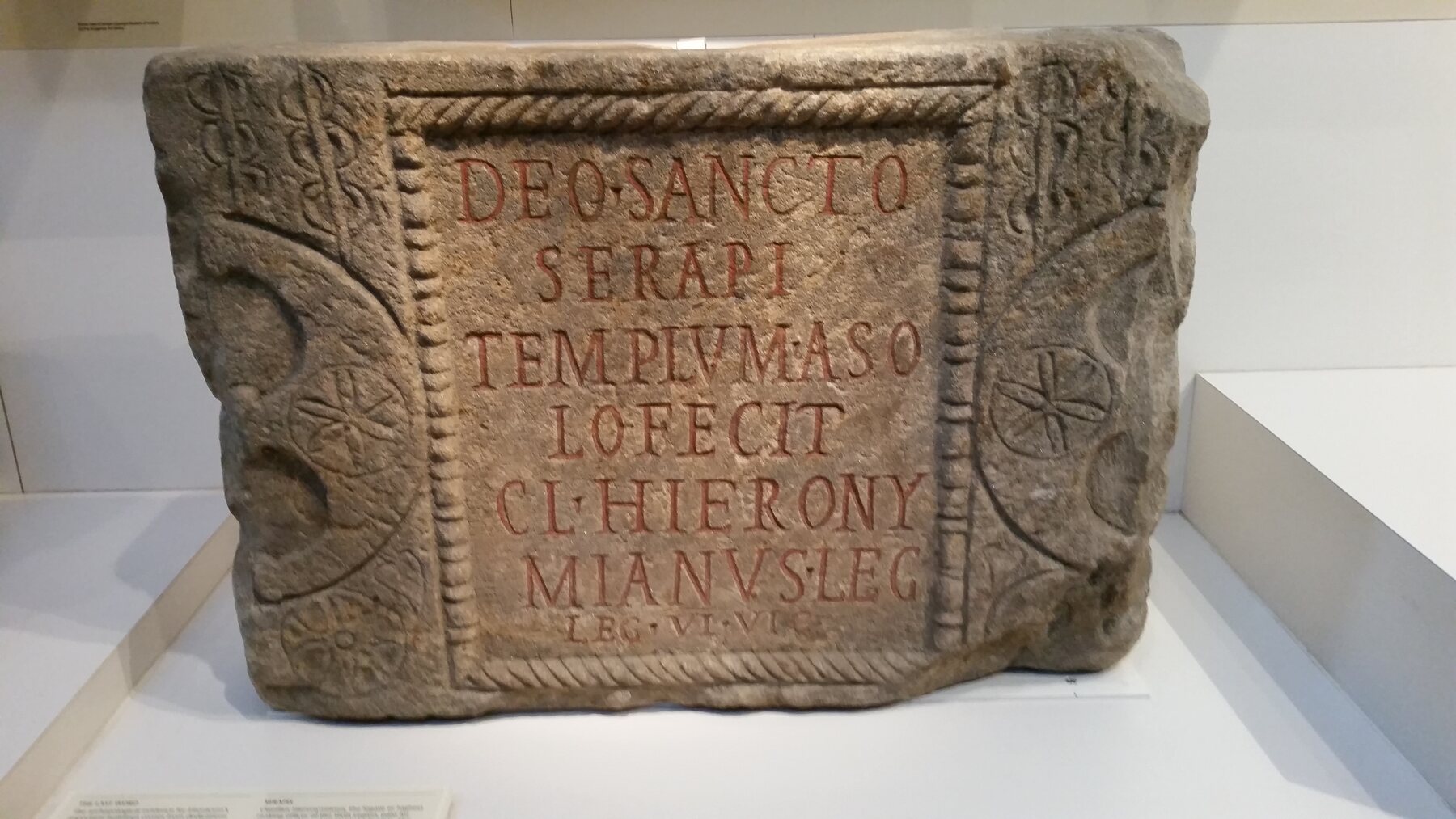
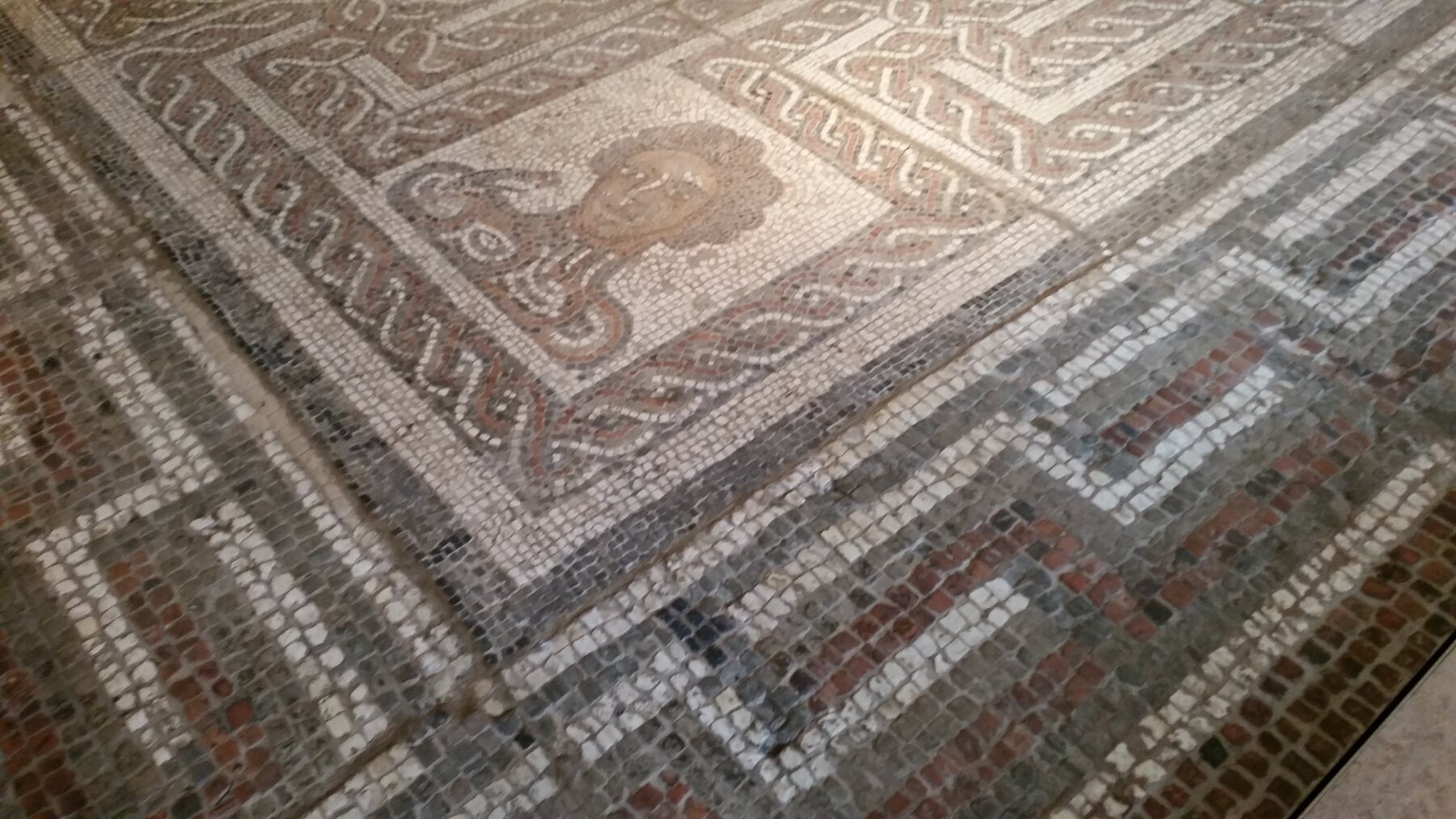
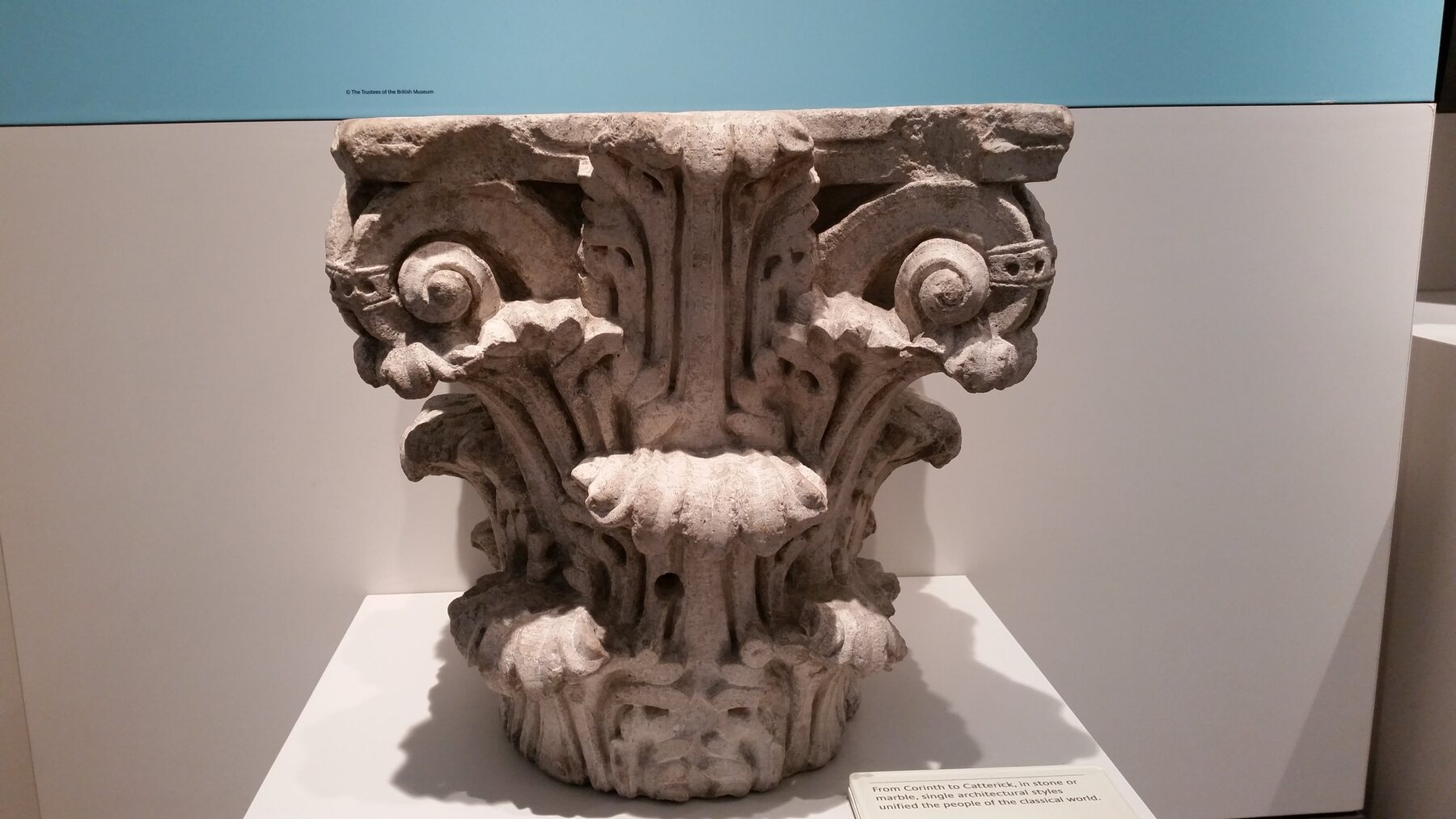
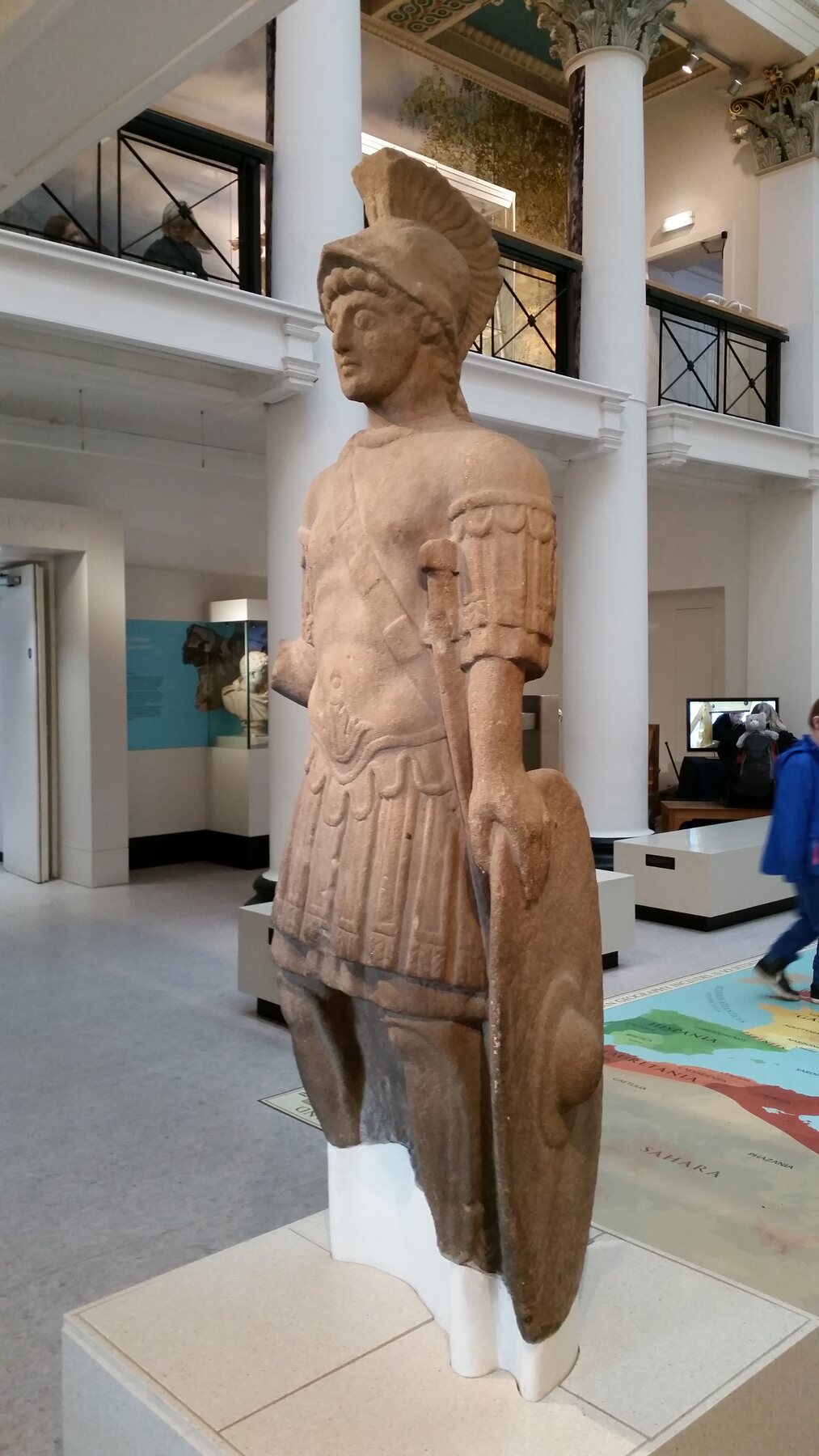
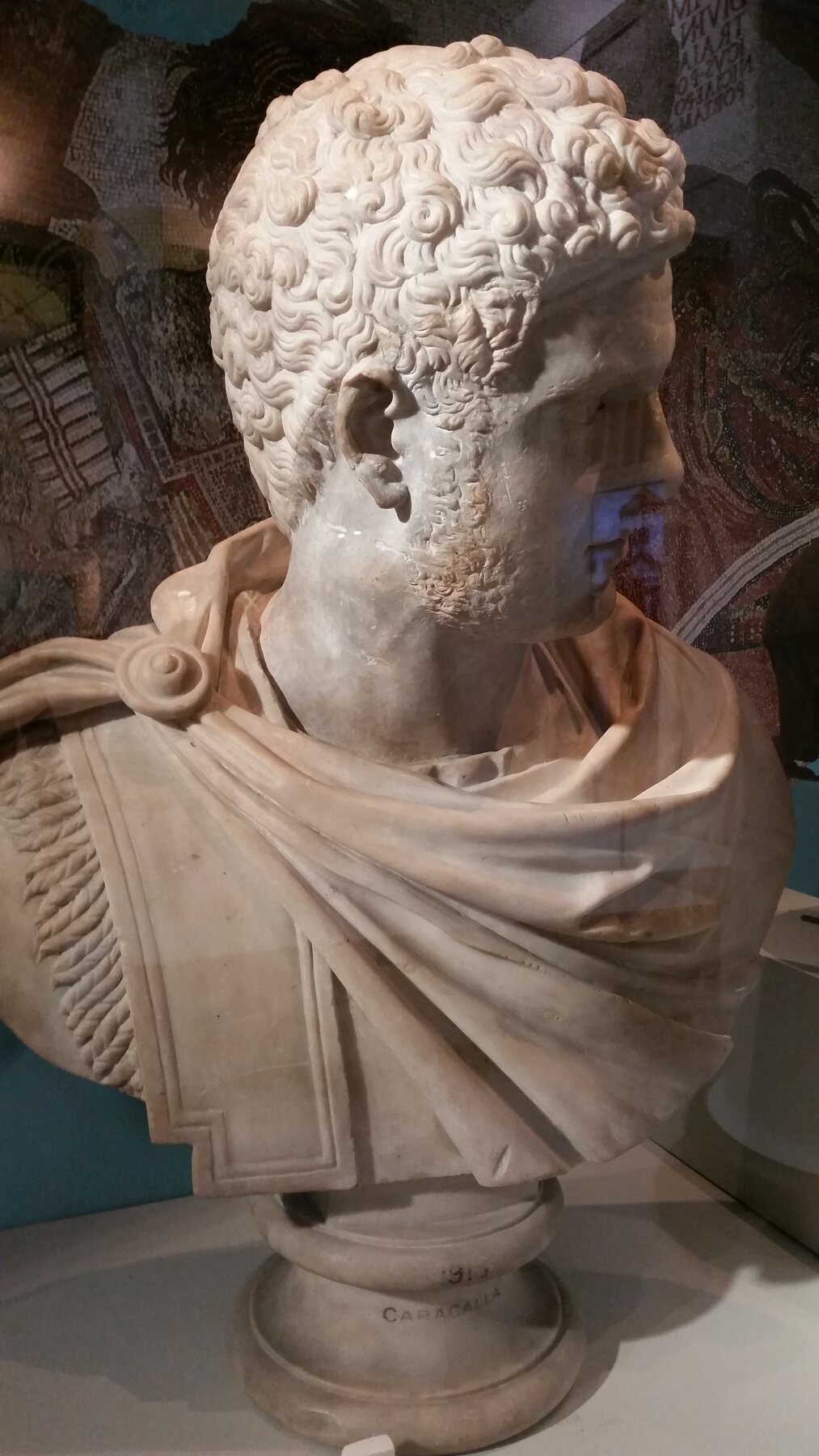
Sculpture, inscriptions, mosaics and architectural stonework reveal military, religious and domestic life in Eboracum.
The fortress headquarters
York Minster and Constantine
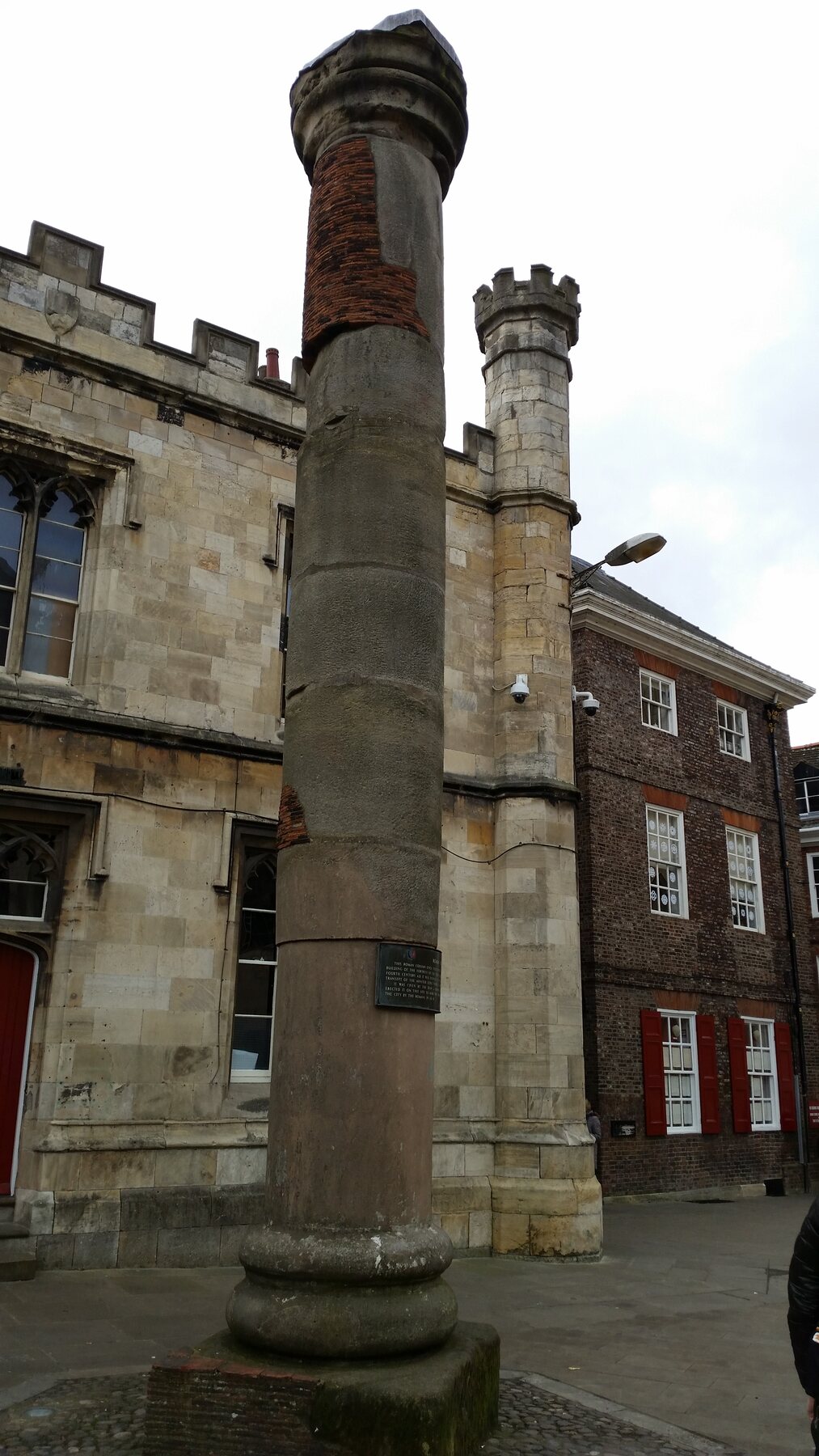
York Minster stands over part of the former legionary fortress. Archaeological work beneath it uncovered remains associated with the military headquarters, or principia.
A reconstructed Roman column now stands outside the Minster’s South Transept. It came from the great basilica forming part of the headquarters complex.
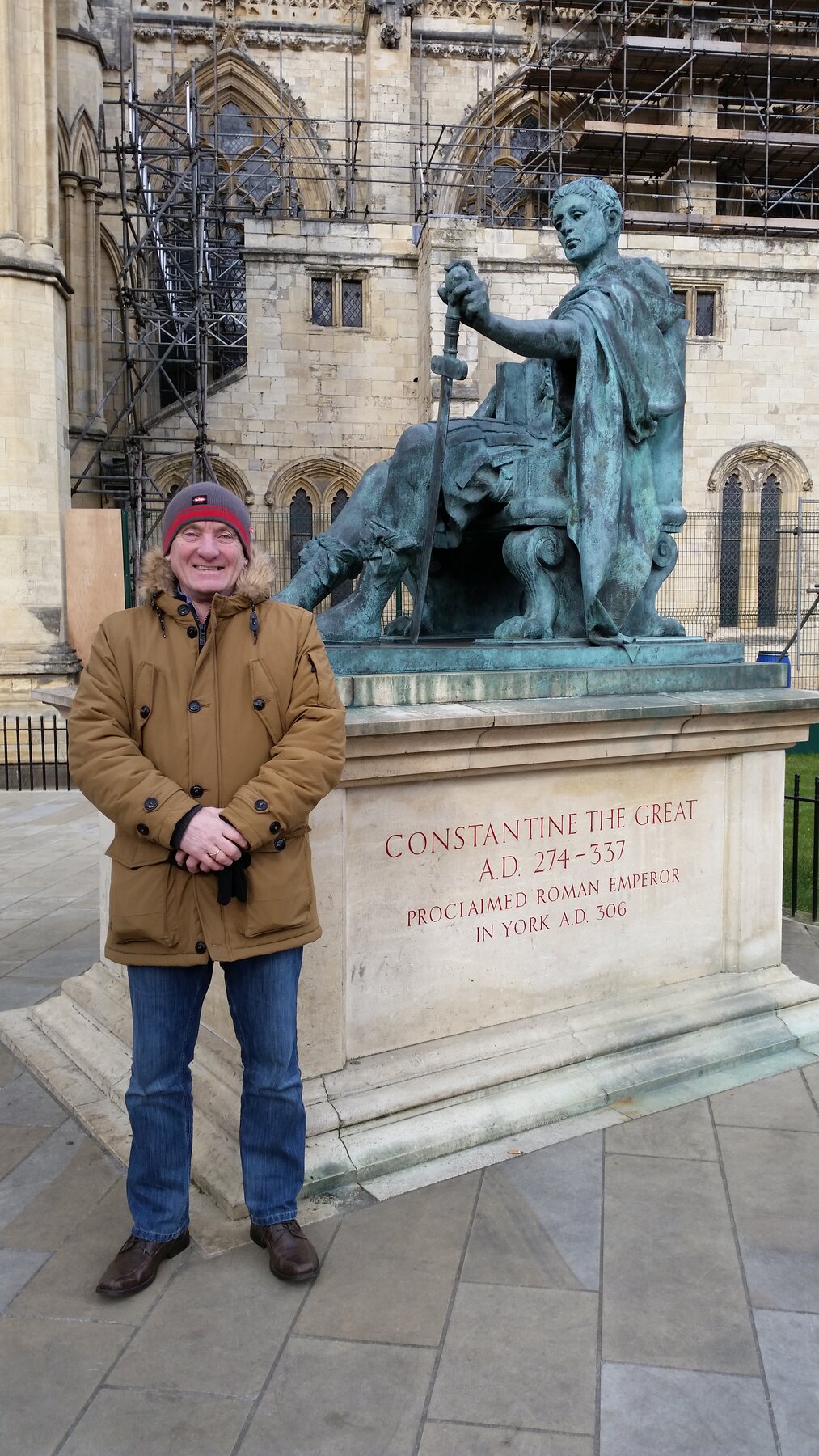
Nearby stands a statue of Constantine the Great. Constantine was proclaimed emperor at York in AD 306 following the death of his father, Constantius Chlorus.
Why York is special to me
A personal military connection
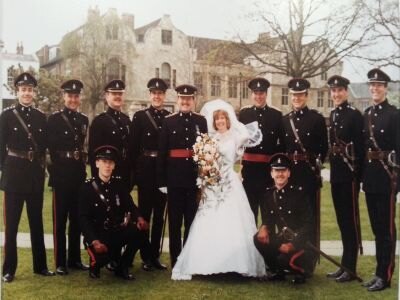
My interest in York is not confined to its Roman past. Hazel and I were married at York Minster in 1988. We were granted a full military wedding because the Regimental Chapel of the Yorkshire Volunteers was housed in the Minster.
The officers attended in full dress uniform, and the Regimental Band played for us in the Lady Chapel. York’s long military history, my own service and our wedding at the Minster give the city a very special personal significance for me.
My visits to Roman sites and collections are part of my continuing study of Roman Britain. The knowledge and photographs gathered during these visits help me bring real archaeological evidence into my Roman Workshop Days.
Continue exploring
Sources and places to visit
Teachers and families can find further information through the Yorkshire Museum’s Roman York gallery, History of York and York Minster’s account of its archaeological discoveries.